

Key takeaways
- Admin overload is structural, not personal: Small HVAC companies are 6.5 times more likely than larger companies to name administrative work as their top challenge, and shops with 1 to 10 employees average 15.4 admin hours per week, according to the HVAC Industry Pulse 2025 report.
- Prioritize scheduling, invoicing, and permits first: These three functions create the most immediate cash-flow and field-operations problems when no one owns them, and they're the highest-leverage starting points for outsourcing.
- No new software required: A managed HVAC-specific partner can work inside Jobber, HouseCall Pro, QuickBooks, or ServiceTitan from day one, so there's no disruption or retraining burden on your team.
Owners of small HVAC shops spend about 15 hours a week on admin, according to the HVAC Industry Pulse 2025 report. Not all of that work is equal. Some tasks quietly cost you cash, permits, or warranties when they slip, and those are the ones to hand off first.
This article ranks the HVAC back-office tasks worth outsourcing first, explains how the handoff works day to day inside your existing software, and shows how to tell whether it's working. If you're still comparing your overall options, see our guide to back-office services for small HVAC businesses.
What Counts as HVAC Back-Office Work?
Back-office services for small HVAC businesses are the non-field functions that keep a shop running: scheduling and dispatch, invoicing and billing, permit filings, rebate submissions, equipment registration, and customer follow-ups. These aren't optional tasks. Jobs don't get paid without invoices. Installs get delayed without permits. Warranties don't activate without registrations.
In shops with two to four trucks, these functions rarely have a dedicated owner. The technician finishes a job and moves to the next call. The invoice sits. The permit request waits. The rebate form never gets filed. According to the HVAC Industry Pulse 2025 report, companies with 1 to 10 employees average 15.4 administrative hours per week. In most small shops, those hours default to the owner, typically at night or on weekends, because there's no one else to catch them.
The problem isn't that owners are bad at admin. The problem is that nobody is structurally assigned to own it. When a task has no clear owner, it rolls back to whoever is most available, and in a small HVAC shop, that's almost always the person running the business.
Why Does Admin Work Pile Up for Small HVAC Shops?
Admin piles up in small HVAC shops because the coverage model is patchwork, not structured. A spouse handles scheduling. A part-timer processes invoices a few days a week. A generic virtual assistant fields calls. Nobody has full accountability for any of it, and when one person leaves, the whole arrangement collapses onto the owner.
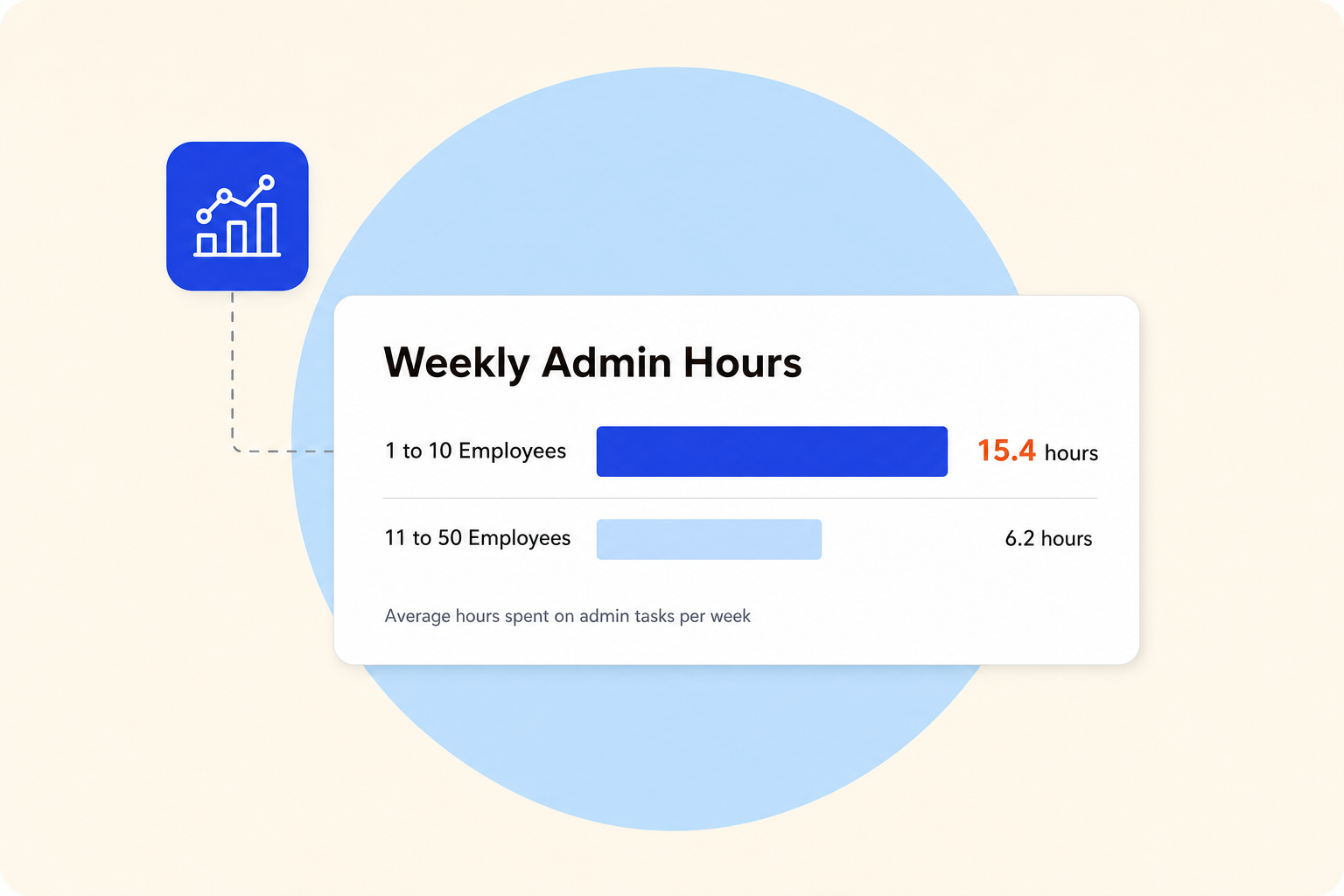
According to small HVAC admin burden survey data, small HVAC companies are 6.5 times more likely than larger companies to cite administrative work as their primary challenge. That gap exists because larger companies have dedicated office staff with clear roles. Small shops don't, so every admin task is a potential gap.
The consequences are concrete. Invoices sent three days after a job closes slow cash flow. Rebate forms that miss a utility deadline mean customers don't get money they're owed. Permits filed after a crew shows up delay installs and create compliance risk. None of these failures are dramatic on their own, but together they create a shop that's always catching up instead of running ahead. The fix isn't working harder on admin. The fix is making sure someone specific owns each function, every day.
Which HVAC Back-Office Tasks Should You Outsource First?
Start with the functions that directly affect cash flow and field operations when they slip. Below are the core tasks to hand off, framed by who owns them after outsourcing, not just what gets done.
Scheduling and Dispatch
- What gets owned: Jobs booked, techs assigned, routes organized, and schedule gaps filled without the owner fielding calls between jobs. HVAC software setup and SOPs covers how workflows get configured to match how a business actually runs, not how default software settings assume.
- Why it matters for small shops: When dispatch falls to the owner, every incoming call is an interruption. A dedicated person handling scheduling keeps the field moving without pulling the owner out of a job site conversation.
Invoicing and Billing
- What gets owned: Every completed job invoiced the same day, AR follow-ups on past-due accounts, and collections escalated on a consistent schedule. See invoicing and collections management for how this works end to end.
- Why it matters for small shops: Just Right Mechanical went from a billing backlog with split ownership between a part-time office manager and a VA to a 700% increase in invoices issued and 48% faster payments within 30 days of handing off full billing ownership. The jobs were always there. The invoices weren't going out.
Permit Filings and Rebate Filing
- What gets owned: Permits filed ahead of installs so crews aren't blocked, rebates submitted before utility deadlines so customers receive the money they're owed. Details on how this works in practice are at permits registrations and payroll handling.
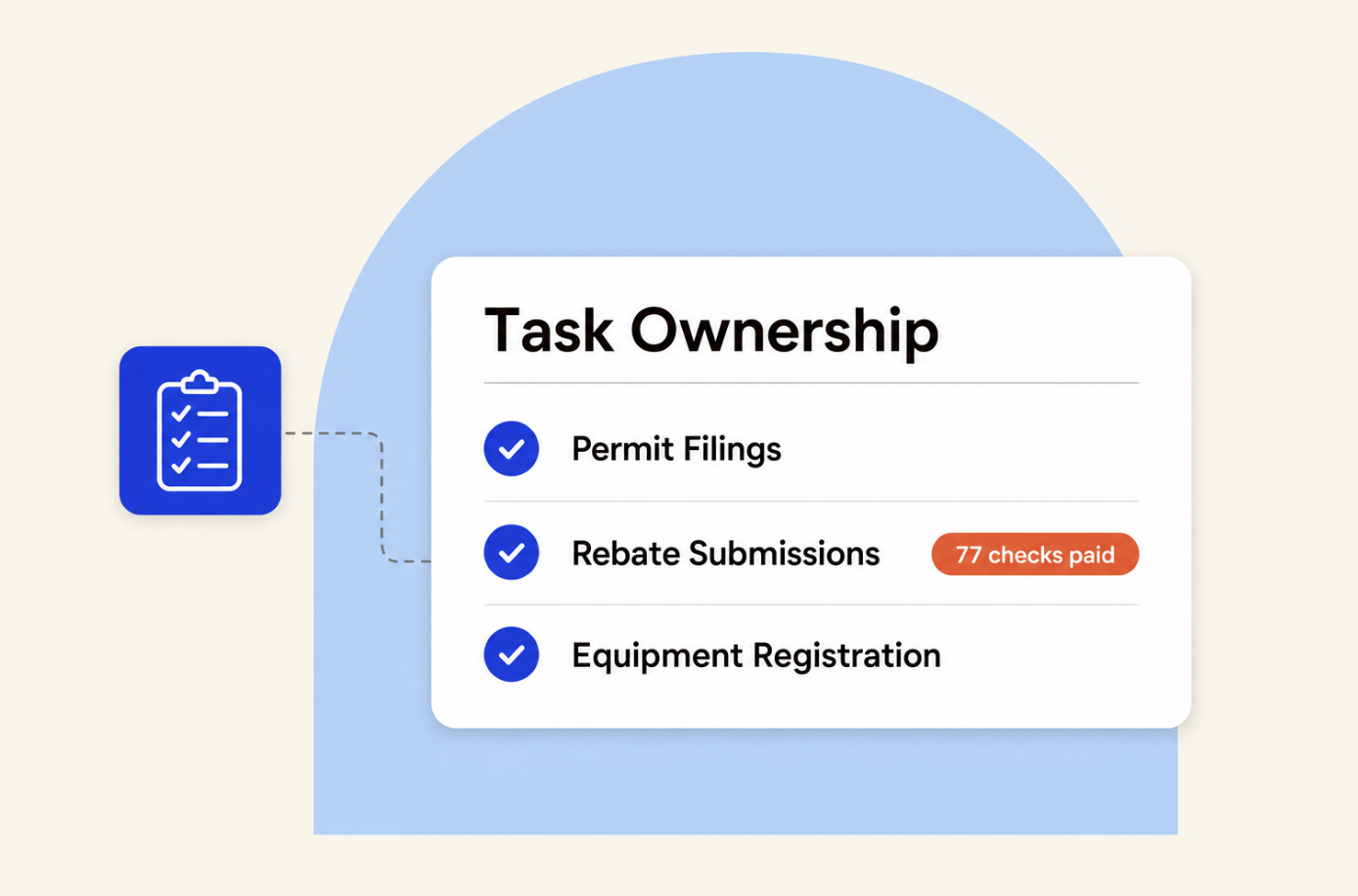
- Why it matters for small shops: Mountain West Heat Pump processed over $1.5 million in rebates without adding headcount. Veteran Heating, Cooling, Plumbing and Electric went from zero rebates tracked to 77 checks paid in one season, while also getting registered across 50+ municipal jurisdictions. These aren't administrative wins. They're direct revenue and compliance outcomes.
Equipment Registration
- What gets owned: Manufacturer warranty registrations filed at job close, triggered automatically inside the job closeout workflow in Housecall Pro, ServiceTitan, or Jobber. Registration details, certificate status, and linked jobs are recorded in the software so nothing lives in a spreadsheet or someone's inbox.
- Why it matters for small shops: Registration that happens at job close protects the customer's warranty from day one. Registration that happens weeks later, when someone remembers, often doesn't happen at all.
Customer Follow-Ups
- What gets owned: Post-job check-ins, estimate follow-ups, and seasonal outreach handled during business hours by someone other than the owner.
- Why it matters for small shops: Customer relationships don't stay warm on their own. When follow-up calls fall to the owner, they happen at 8pm or not at all. A dedicated person handling this keeps the relationship active without the owner making calls after dinner.
Maintenance Plans and Pricebooks (Growth-Stage Add-Ons)
- What gets owned: Maintenance plan tiers built into the FSM software and sold in the field, pricebooks structured around real job costs and target margins so techs quote profitably every time. See recurring revenue maintenance plan setup and job costing and price book profitability for how these get built.
- Why it matters for small shops: These aren't just administrative tasks. Maintenance plans create predictable revenue in slow months. Pricebooks protect margin on every quote. Both require upfront setup work that most owners never get around to while they're managing day-to-day operations.
How Does Outsourcing HVAC Scheduling and Dispatch Actually Work Day to Day?
Outsourced dispatch works inside your existing software, not a new platform. Jobs, scheduling workflows, and tech assignments get configured to match how your business actually runs, including how you handle emergency calls, multi-day installs, and geographic routing.
In practice, this means the dispatcher has access to your Jobber, HouseCall Pro, or ServiceTitan account, knows your techs' skill sets and service areas, and can book, reschedule, and communicate with customers without pulling you into every decision. Your HVAC software setup and SOPs get built around your actual workflow, not default settings that assume a generic field service operation.
The adjustment period is shorter than most owners expect because an HVAC-fluent dispatcher already knows the terminology, the job types, and the urgency hierarchy. You're not training someone on what a heat pump tune-up involves or why a no-heat call in January takes priority. That context is already there from day one.
How Does Outsourced Invoicing and Bookkeeping Support Improve Cash Flow?
Outsourced invoicing improves cash flow by closing the gap between job completion and invoice delivery, and then following through on collections until the money actually arrives.
- Same-day invoicing: Every completed job gets invoiced the day it closes, not when someone gets around to it. This alone eliminates the most common cash-flow delay in small HVAC shops.
- AR cleanup: Past-due invoices get worked systematically, with structured follow-up at set intervals rather than ad hoc reminders. Late payers get payment terms and escalation, not just another email.
- QuickBooks sync: Expenses, vendor bills, and job payments flow from the FSM into QuickBooks without manual entry, so the books reflect what's actually happening in the field.
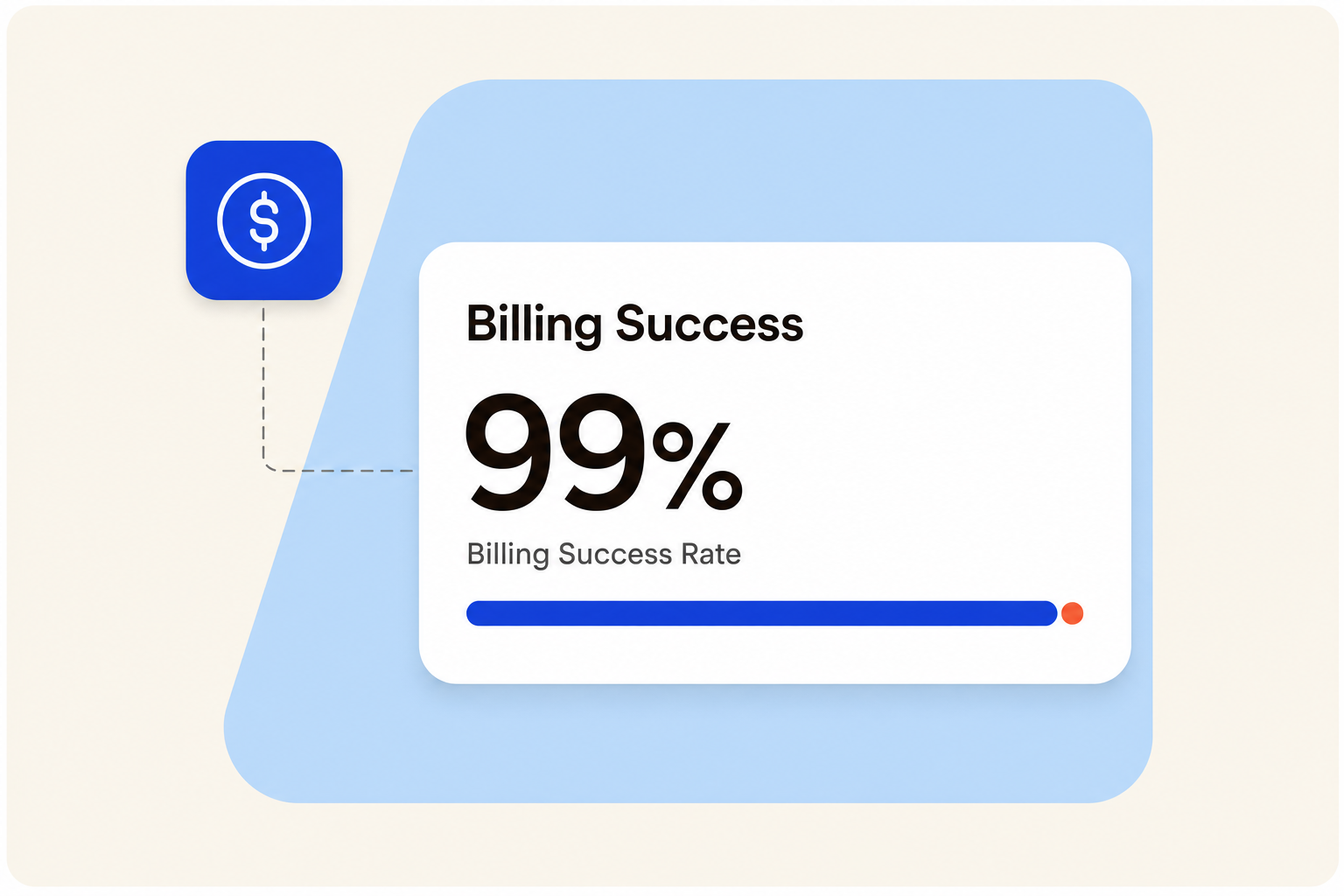
- Verified results: ABL Comfort Solutions reached a 99% billing success rate across 1,565+ tracked jobs. Just Right Mechanical saw a 700% increase in invoices issued and 48% faster payments in 30 days after handing off full billing ownership. These are before-and-after numbers from real operations, not projected savings.
For a deeper look at how collections escalation works in practice, the HVAC collections playbook for owners walks through the full process. And if you're evaluating how automation fits into this, AI automation for HVAC admin tasks covers where it speeds things up without replacing the human judgment that collections actually requires.
Who Should Own These Tasks?
Each of these tasks needs one clear owner who already understands HVAC. When the work is split between the owner, a spouse, and a part-timer, it falls through the gaps. When it's handed to a dedicated HVAC back-office team like WorkHero, it gets done inside the tools you already use, without you hiring, training, or managing anyone. For a side-by-side look at every option and what each costs, see back-office services for small HVAC businesses.
How Do You Know If Outsourcing Your Back Office Is Actually Working?
The clearest test is simple: does anything roll back to you that shouldn't? If you're still fielding calls about unpaid invoices, chasing permit status, or approving routine scheduling decisions, the outsourcing arrangement isn't working as intended.
Signs it's failing are usually obvious in retrospect. A VA who doesn't know HVAC asks the owner to clarify what a heat pump installation involves before filing a rebate. A part-timer who quit takes the billing login with them. Software that was supposed to automate invoice sends never got configured correctly, so jobs still sit unbilled.
A functioning arrangement looks different. Invoices go out the same day jobs close. Permits are filed before the crew shows up. AR follow-ups happen on a set schedule without the owner initiating them. Weekly check-ins keep priorities aligned and surface problems before they compound. This isn't a set-it-and-forget-it model. It's an active partnership with a clear accountability structure, where the owner's job is to stay informed, not to manage every task.
How Do You Get Started Outsourcing Your HVAC Back Office?
Getting started doesn't require overhauling your current setup. A managed HVAC back-office partner should learn your workflow first, before taking anything over.
The onboarding process typically starts with a conversation about how your business currently operates: which software you use, how jobs flow from booking to invoice, where the biggest gaps are, and what's taking the most of your time. From there, a service plan gets built around your actual situation, not a generic template. Your existing tools, whether that's Jobber, HouseCall Pro, QuickBooks, or ServiceTitan, stay in place. The HVAC software setup and SOPs get configured or optimized to match how your business runs, not rebuilt from scratch.
Weekly check-ins keep the arrangement on track. If a priority shifts, a new jurisdiction needs permitting, or a billing issue surfaces, those get addressed in the weekly cadence rather than escalating into a problem the owner discovers at month-end. The goal is that by the end of the first month, the tasks that were keeping you at your desk on Saturday morning are handled, tracked, and off your plate for good. If you want to start that conversation, bring your current workflow and your biggest admin headache. That's the right starting point.
