

Key takeaways
- Growth without advertising is an operations problem: Unanswered quotes, slow invoices, and untracked maintenance agreements lose more revenue than most ad budgets could replace, as shown by case studies like Just Right Mechanical's 7x invoicing improvement in 30 days.
- Referral and warm-network growth is a proven path: One HVAC owner on the WorkHero podcast has never purchased advertising and grew to five employees and three vans through roughly 50 referral relationships generating 1 to 2 jobs each per year.
- Maintenance agreements, same-day invoicing, and organic Google visibility compound over time: These levers don't require ad spend, but they do require consistent execution, which is where most small shops fall short.
There are 111,207 employer HVAC business establishments in the United States, according to Census County Business Patterns data from 2023. In a market that crowded, the owners who grow without advertising aren't doing something exotic. They're executing the basics better than everyone else.
This article covers the specific operational levers that drive non-advertising growth: follow-up systems, invoicing speed, maintenance agreement tracking, referral networks, and organic online visibility. Each section explains what the lever is, why small shops consistently miss it, and what executing it actually looks like.
What Does It Mean to Grow an HVAC Business Without Advertising?
Growing an HVAC business without advertising means prioritizing retention and referrals over paid acquisition, and fixing the operational gaps that cause revenue to walk out the door before any new customer ever arrives. It's not a secret marketing hack. It's operational discipline applied to the customers and relationships you already have.
It's worth separating advertising from marketing here, because conflating the two causes owners to either overspend or go completely dark. Advertising is paid placement: Google Ads, LSAs, direct mail, radio. Marketing includes everything else: your Google Business Profile, social posts, review management, and outreach to past customers. You can do a lot of effective marketing without spending a dollar on ads.
The competitive stakes make this matter. With over 111,000 HVAC businesses competing for local jobs, the shops that grow aren't necessarily outspending competitors on ads. They're the ones customers call back, refer to neighbors, and renew maintenance agreements with year after year.
Why Is This an Admin Problem, Not a Marketing Problem?
Most small HVAC shops aren't losing jobs because they lack brand awareness. They're losing jobs because quotes go unanswered, invoices go out late, and past customers never hear from them again. Those are admin failures, not marketing failures.
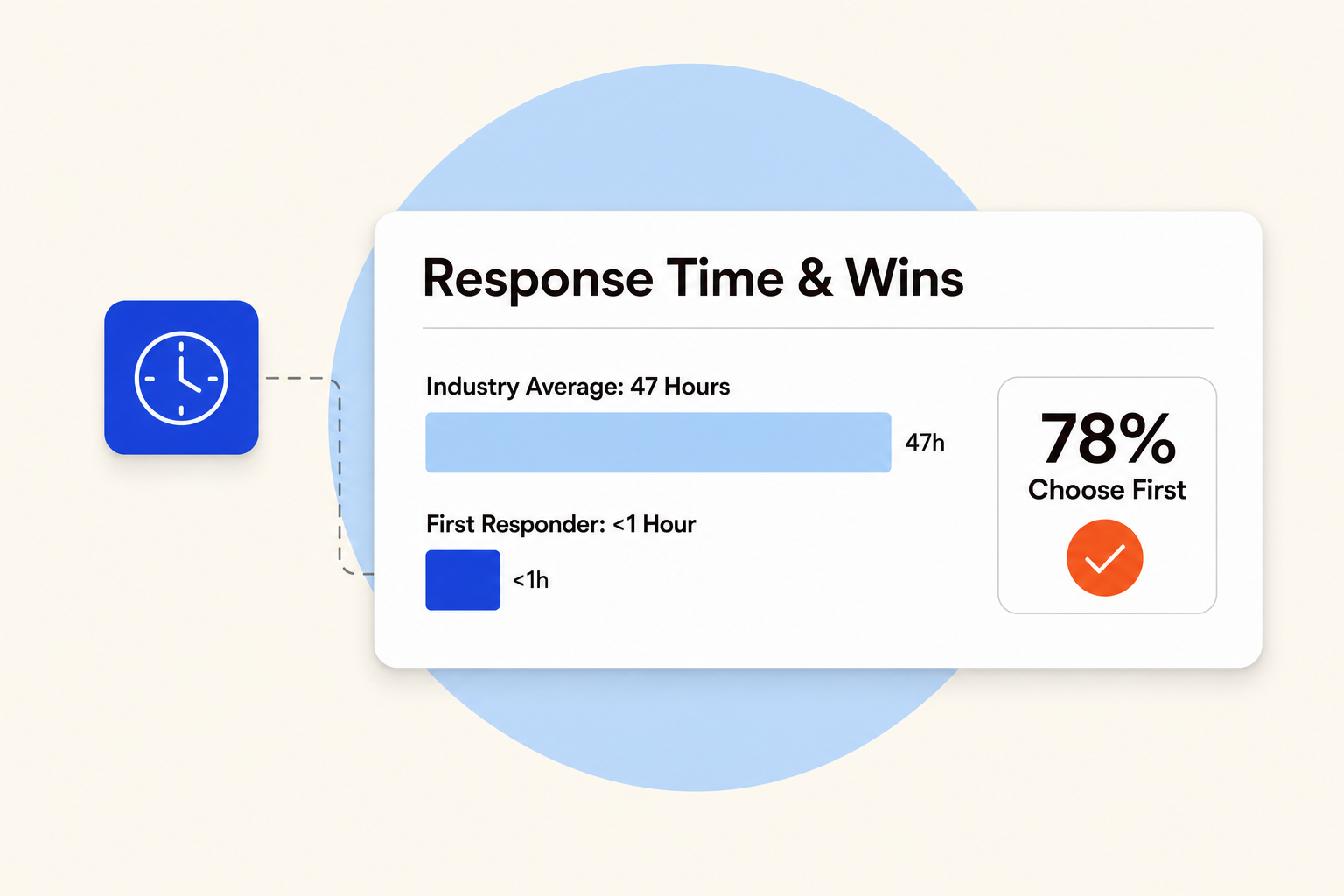
The 2025 HVAC Industry Pulse report found that small HVAC companies are 6.5 times more likely than larger companies to cite administrative work as their primary challenge. That burden has a direct revenue cost. According to HVAC revenue without extra hours data from the ACCA, 78% of homeowners choose the contractor who responds first, and the average response time across the industry sits at 47 hours. Winning that job has nothing to do with your ad budget. It has everything to do with who calls back first.
The same pattern shows up in invoicing and collections. Pricing, invoice speed, and follow-through on receivables quietly determine whether a busy shop is actually profitable. A shop running three trucks can look healthy on the schedule and still be short on cash every Friday because invoices are going out two weeks late and open quotes are sitting untouched in the system.
How Do You Stop Losing the Customers You Already Have?
Keeping existing customers starts with two things: following up on every open quote and sending invoices the same day the job closes. Both are admin tasks, not marketing tasks, and both have a direct impact on whether customers come back and refer you to others.
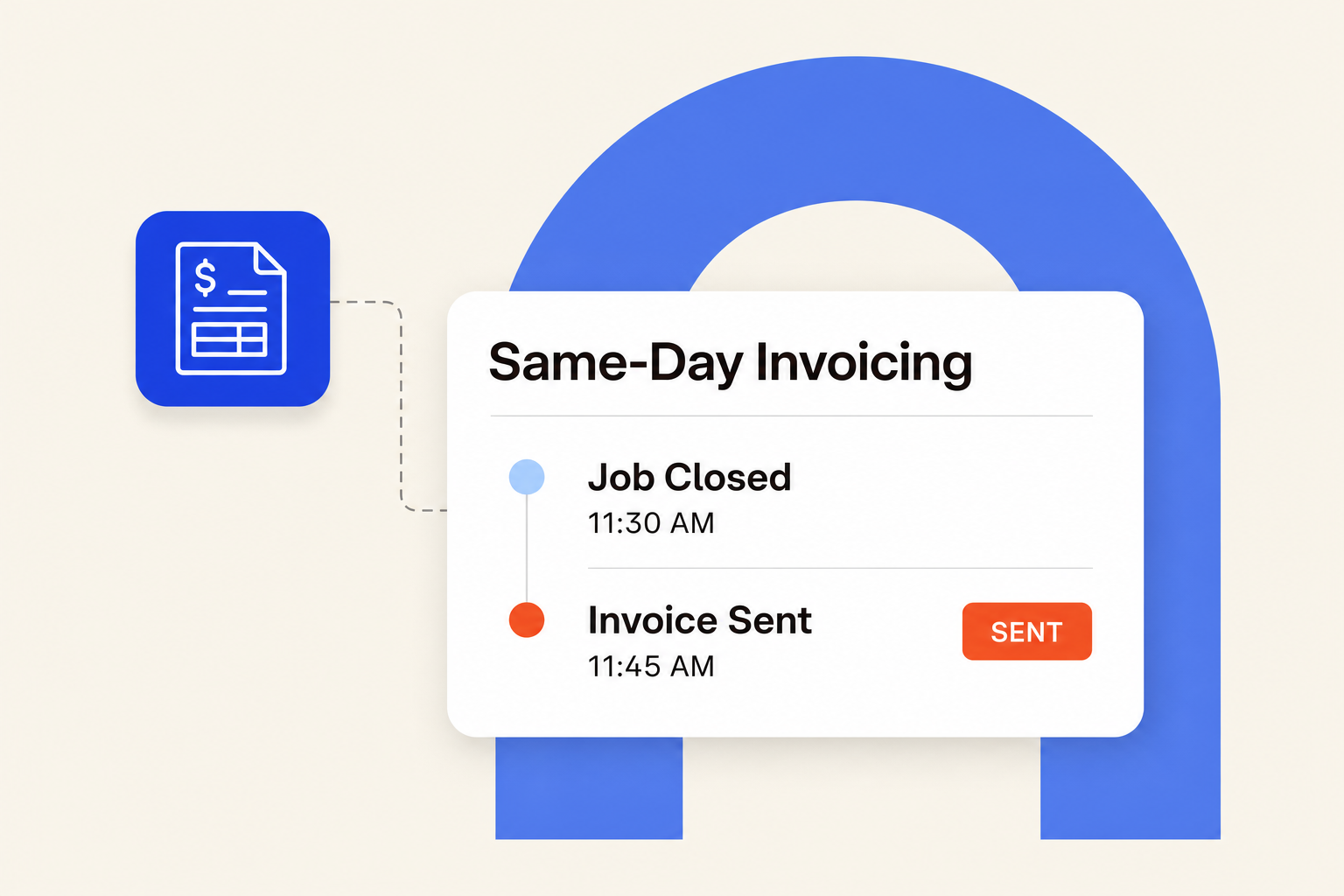
When you're running calls all day, open quotes pile up. A homeowner who asked for a quote on a new system last Tuesday isn't waiting forever. They're calling the next contractor who follows up. The same applies to the customer experience after the job. A customer who waits three weeks for an invoice doesn't feel like the transaction ended cleanly, and that friction affects whether they refer you. Getting maximizing your field service software right, including automated close-out checklists and invoice triggers, is one of the fastest ways to close both gaps without adding headcount.
Follow Up on Every Open Quote
A 48-hour window is roughly how long you have before a quoted job goes to whoever calls back first. After that, the homeowner has either moved on or committed to someone else. Following up on open quotes isn't a sales tactic. It's a retention system. Unlike a virtual assistant who waits for direction, an experienced HVAC admin knows which quotes need follow-up and when, because they've managed this workflow before across multiple shops.
Send Invoices Same Day
Just Right Mechanical went from a billing backlog to 7x more invoices processed in 30 days after handing off invoicing end to end. The jobs were already done. The cash conversion was the problem. A simple standard: if the job closes before noon, the invoice goes out same day. If it closes after noon, it goes out the next morning. Customers who wait weeks for an invoice don't refer the business. The job experience ends with the invoice, and a slow one leaves a bad last impression.
How Do Maintenance Agreements Create Recurring Revenue Without Ad Spend?
Maintenance agreements are the closest thing to guaranteed revenue in an HVAC business. A customer on a two-visit annual plan is scheduled, pre-committed, and far more likely to call you first when something breaks. The challenge isn't selling the plan. It's the admin work behind setting it up, tracking renewals, and reaching out to lapsed customers before they call someone else.
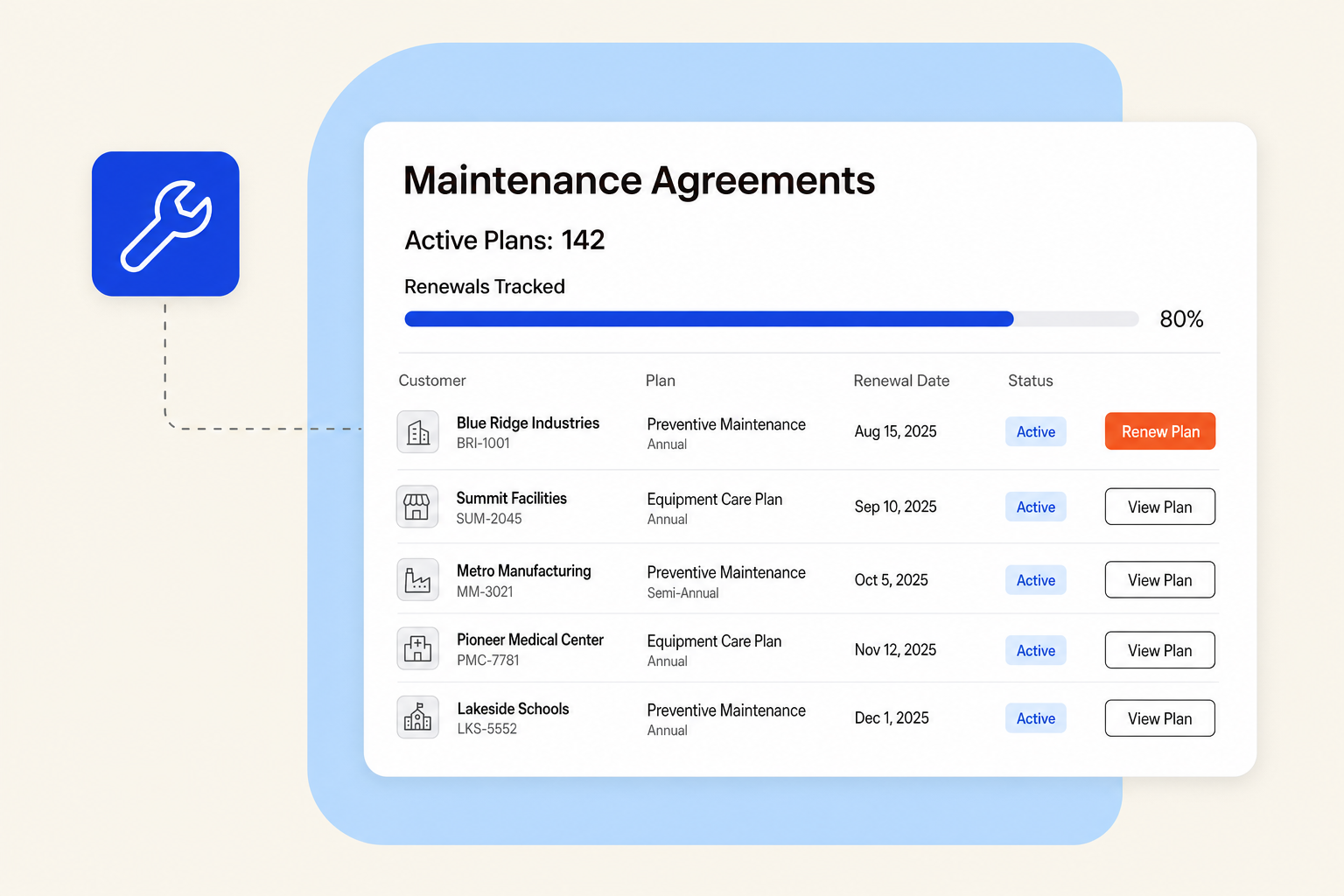
Most software platforms let you create maintenance plan templates, but they don't follow up on expired agreements or flag customers who dropped off last season. That's a manual process, and it's one that gets skipped when the owner is also the scheduler, the tech, and the invoice sender. Building the right modern HVAC business tech stack helps automate some of this, but the renewal outreach and lapsed-customer calls still require someone to own them consistently.
Unlike software competitors that sell you tools to self-manage these plans, the shops that actually grow their maintenance agreement base have someone actively tracking and renewing them, not just a dashboard showing the numbers.
How Do You Turn Your Network and Past Customers Into New Jobs?
Your existing network and past customer list are your highest-conversion audience. Referrals from people who already trust you close faster, negotiate less, and generate more referrals downstream. The ACCA reports that database marketing to past customers returns $8 to $12 per dollar spent, which is a better return than most paid ad channels.
- Zero-ad-spend proof: Cornelio Martinez, an HVAC owner featured on the HVAC business owner podcast, has never purchased an advertising campaign. He grew to five employees and three vans by building roughly 50 referral relationships, each generating 1 to 2 jobs per year. His words:
"I've never advertised like officially, I've never purchased an advertising campaign. I don't have wraps on my van. I have three new vans and five employees... what has sustained me was networking, creating relationships with people that can bring me 1 or 2 jobs a year. But you multiply that times 50, right? You find 50 individuals that you can help and do solid work for... and you make sure every single job that you do... you have to aspire to perfection because your best advertisement is the comfort of that client." (Cornelio Martinez, WorkHero HVAC Business Podcast)
- The "I Didn't Know You Did HVAC" problem: You run into someone you've known for years. They mention they just had their whole system replaced last spring. You did that exact job last month, two streets over. They never called you because it never crossed their mind that you do HVAC. A full system replacement runs $8,000 to $15,000 or more. One post per week on your personal page keeps you top of mind with the people most likely to hire you or refer you.
- Past customer outreach: Seasonal emails and texts to your existing list, timed around tune-up season or equipment age milestones, generate repeat calls without any ad spend. The return on that outreach is measurable and consistently high.
How Does Organic Visibility on Google and Social Media Support Growth Without Paid Ads?
Organic Google and social visibility build local recognition over time without any ad spend, but they require consistent execution rather than occasional effort. The two channels reinforce each other: social posts get indexed by search engines, and a well-managed Google Business Profile captures homeowners who are already searching for you.
- Document, Optimize, Strategize: Start by posting what you did today with no editing and no overthinking. A selfie at a finished job, a quick clip of an install. Once that habit is solid, add small improvements: wipe the camera lens, post at active times, add a location tag. After a few months of consistent posting, layer in intentional content themes. The compounding effect of showing up regularly in front of people who could hire you is real, and it costs nothing but time.
- Short-form video as an SEO activity: Google now surfaces video content from Facebook, Instagram, TikTok, and YouTube directly in standard search results. A homeowner searching "AC repair near me" may see a short video from a local contractor before they see a traditional website listing. Every post is also a search ranking signal, which means staying silent hands organic real estate to the HVAC company down the road who posts every week.
- Google Business Profile management: Active review collection, geo-tagged photos, updated service descriptions, and consistent citations across directories all strengthen local search visibility. This is operational marketing, not ad spend, and it's covered under done-for-you HVAC marketing for shops that want it managed rather than self-managed.
- Warm network visibility: Your former classmates, neighbors, and longtime contacts are potential customers or referral sources, but only if they consistently know what you do. Regular posting on your personal page is the lowest-effort way to stay visible to the people most likely to send you a $10,000 system replacement job. More on organic social media for HVAC and how to build this habit without a content calendar.
How Do You Know If Your No-Advertising Growth Strategy Is Working?
You know your non-advertising growth strategy is working when you can see the numbers: invoice turnaround time, open quote close rate, maintenance agreement renewal rate, and repeat customer percentage. Without visibility into those metrics, you're guessing.
- Monthly P&L review: Reviewing your P&L monthly, not just at tax time, tells you which revenue is coming from repeat customers versus new ones, and whether your margins are holding as you grow. Pair this with HVAC job costing and pricing discipline and you can see exactly where each job is producing or losing margin.
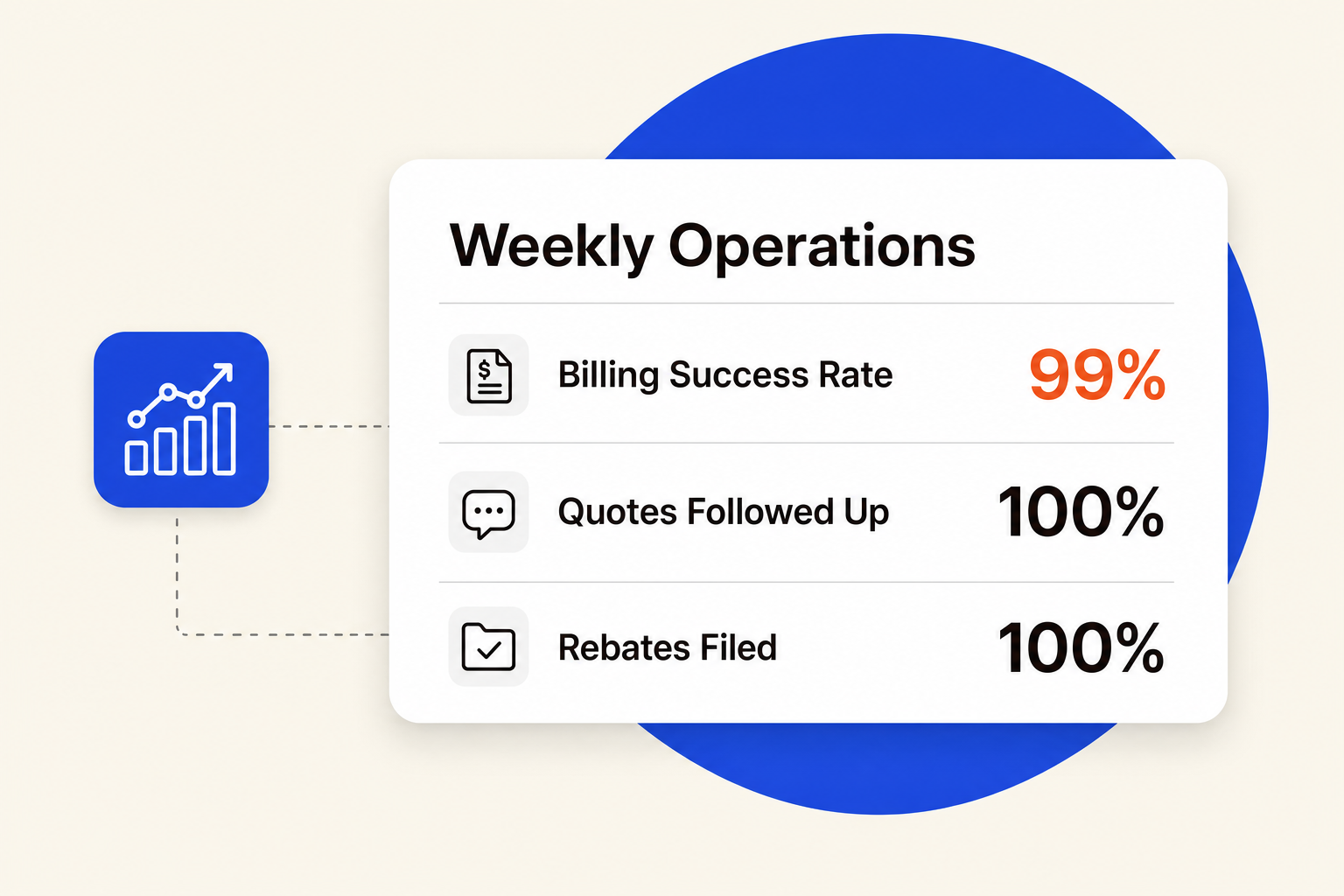
- Invoice speed and billing success rate: ABL Comfort Solutions tracked 1,565+ service jobs at a 99% billing success rate after building proper billing infrastructure. That's not a marketing win. It's an admin win with a direct revenue impact.
- Automation as a force multiplier: AI automation in your HVAC shop can handle invoice triggers, follow-up reminders, and maintenance renewal notices without manual effort, freeing up the time you'd otherwise spend on those tasks at 9 p.m.
- Weekly operational check-ins: Knowing your numbers weekly, not monthly, means you catch a billing backlog or a batch of unanswered quotes before they compound into a cash flow problem.
Real Shops, Real Numbers
Mountain West Heat Pump processed over $1.5 million in rebates without adding headcount, because someone owned the filing process end to end. Veteran Heating, Cooling, Plumbing and Electric reached $5.8 million in year-one revenue, hired 69 people, put 17 trucks on the road, and submitted $1.4 million in rebates across 50+ Colorado jurisdictions without a single dropped submission. ABL Comfort Solutions tracked 1,565+ jobs at a 99% billing success rate across 10+ Boston-area properties. None of those outcomes came from advertising. They came from operational execution.
What Consistent Back-Office Execution Looks Like
The shops that grow without advertising share a common trait: someone owns the admin work and does it consistently. That means quotes get followed up within 48 hours, invoices go out same day, maintenance renewals get tracked and acted on, and past customers hear from the business at least seasonally. Whether that's a full-time office manager, a part-time admin, or a managed back-office partner working inside your existing Jobber, HouseCall Pro, or ServiceTitan setup, the execution has to happen. The strategy is straightforward. The gap is almost always in who's doing it and whether it's getting done every week without the owner chasing it.
