

Key takeaways
- Audits surface the opportunity, not the revenue: Brynn Cooksey Sr., founder of Air Doctors Heating & Cooling, reports never completing an audit without the customer buying a significant retrofit or repair, but that outcome depends entirely on the quote, rebate filing, and follow-up call happening within days of the visit.
- The conversion failure is administrative: On a 2-to-4 truck shop with no dedicated office staff, nobody is tracking open quotes, chasing rebate deadlines, or scheduling follow-up calls, so the recommendation a tech flags in the field quietly expires.
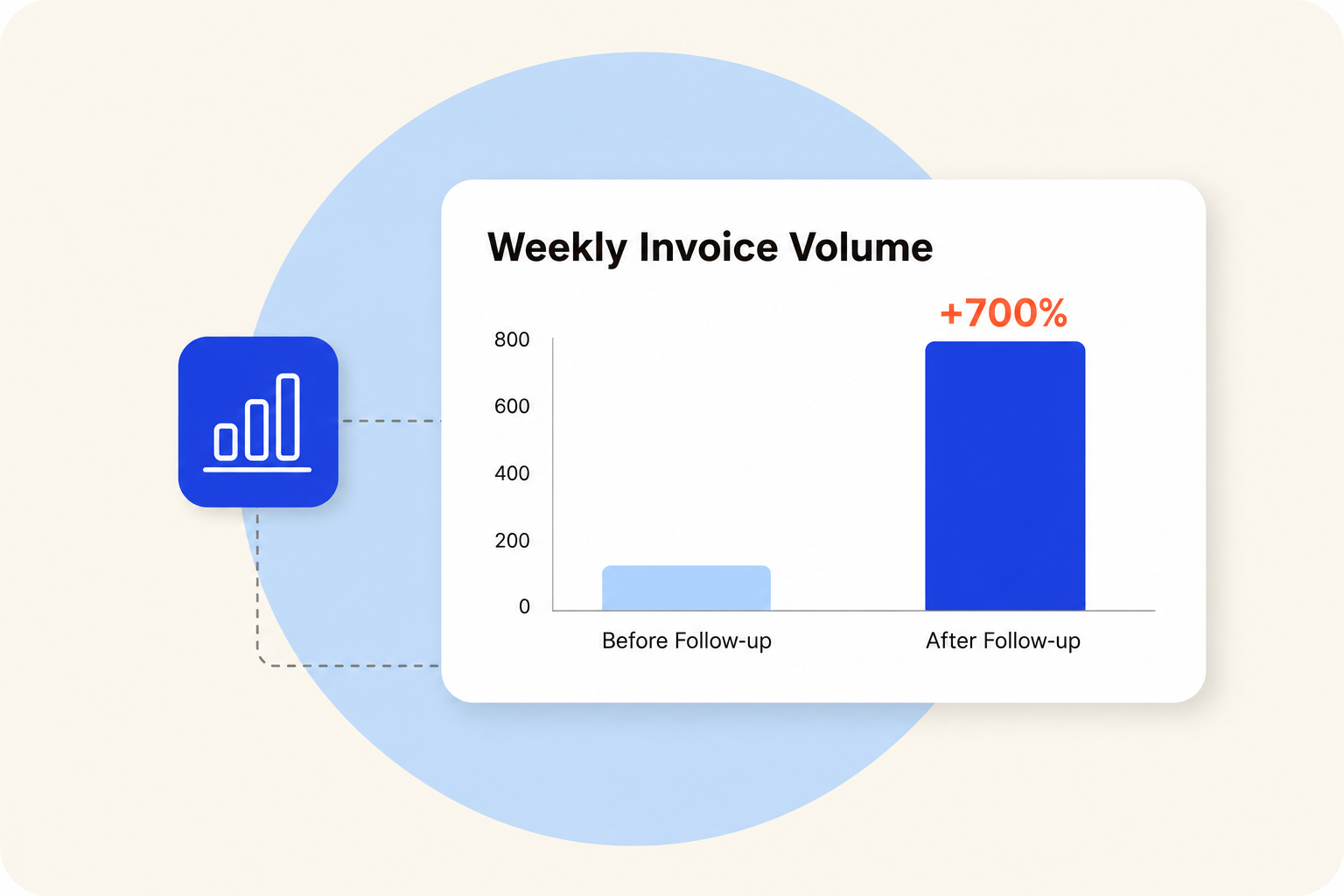
- Fixing the back-office gap produces measurable results: Veteran Heating, Cooling, Plumbing and Electric went from $0 in tracked rebates to $845,927 secured in one season, and Just Right Mechanical saw a 700% jump in invoices issued once follow-ups became consistent.
Heating and cooling account for heating and cooling energy consumption share of more than half of a typical household's energy use, which makes every energy audit a direct entry point into high-value HVAC work. The audit itself is not the hard part. What kills the ticket is everything that happens, or doesn't happen, after the tech drives away.
This article is based on HVAC Contractors Losing Money by Skipping Energy Audits to Close Jobs, an episode of the HVAC Know It All Business Edition podcast with Brynn Cooksey Sr., CEM, CMS, founder of Air Doctors Heating & Cooling in the Detroit area and of the training organization HVAC U (Building Scientists). Before running his own home performance business, Brynn worked in the power and utilities industry.
This article walks through the specific points where audit-driven revenue gets lost, how to build a handoff process that actually converts findings into closed jobs, and what consistent follow-through looks like at a small shop without a full-time office manager.
What Is an Energy Audit and Why Does It Grow HVAC Ticket Size?
An energy audit is a systematic evaluation of how a home or building uses energy, with HVAC equipment typically driving the largest share of findings. Because heating and cooling energy consumption share exceeds 52% of a household's total energy use, the audit almost always surfaces equipment inefficiencies, duct losses, or system sizing problems that translate directly into HVAC repair or replacement recommendations.
Audit depth varies. According to energy audit levels and thoroughness, detailed audits can range from $0.12 to $0.50 per square foot depending on building complexity. A walk-through assessment takes less time but still produces findings. A full diagnostic with blower door testing and duct leakage measurements produces more. Either way, per ACCA guidance on audit business models, contractors who integrate audits into their service offering continue doing so because it works for both the business and the customer.
The tension is straightforward: an audit creates a documented list of problems the homeowner now knows about. Whether that list becomes a signed proposal depends on what happens in your office over the next 48 to 72 hours, not on the quality of the audit itself.
Why Do Energy Audits Fail to Convert Into Bigger HVAC Tickets?
Audits fail to convert because the follow-through is an administrative task, and most small shops have no one assigned to do it. The tech flags a $6,000 heat pump replacement during the audit visit. Three weeks later, the quote still hasn't gone out. The customer, who was genuinely interested, has moved on or called someone else.

This is not a sales problem. The homeowner already received the finding in person. The gap is that nobody built the quote, nobody sent it, and nobody called to follow up. On a shop where the owner is also the estimator, the dispatcher, and the person answering texts at 9 p.m., audit quotes compete with everything else for attention and usually lose.
The same dynamic applies to rebate paperwork. An audit recommendation that leads to a heat pump install may trigger utility rebates worth thousands of dollars, but those applications have deadlines, require specific documentation, and involve multiple submission portals. Without someone tracking them, they expire. A software stack that supports growth can surface open quotes and pending rebate tasks, but the data sitting in Jobber or HouseCall Pro doesn't work itself. Someone has to act on it.
How Do You Capture the Upsell After an Energy Audit?
Converting an audit finding into a closed ticket requires a defined handoff sequence from field to office. When that sequence is consistent, the results are consistent. As Brynn Cooksey Sr. put it on the HVAC Know It All Business Edition podcast:
"I've never done an audit where the customer didn't buy some type of significant retrofit repair. I can't name a situation where we've done a full blown audit, and we show the customer all their problems. And just to turn around and show them exactly how to solve it. We've always got some type of sale out of it, I can't remember. It's just where we have it." Brynn Cooksey Sr., Air Doctors Heating & Cooling
That outcome doesn't happen by accident. It happens because the conversation gets carried through. Here is the sequence that makes it repeatable:
- Tech flags the opportunity in the field: The tech documents the finding before leaving the job site: photos, notes, a clear recommendation with equipment specifics. Nothing should depend on the tech's memory or a verbal debrief later. If the finding lives only in the tech's head, it will not make it into a quote. The job record in your field service platform is the handoff point. If it isn't written there, it doesn't exist for the office.
- Office builds and sends the quote fast: Speed matters here. A quote that goes out the same day the audit is completed has a materially better chance of converting than one that goes out a week later. That speed depends on a built-out pricebook. If the office has to research equipment costs and labor rates from scratch every time, the quote takes days. If the pricebook is current and complete, the quote takes minutes. Pricing work with confidence starts with having those numbers ready before the audit happens, not after. A well-structured pricebook also prevents underquoting on audit-driven work, where the scope is larger and the margin risk is higher. For more on how field service platforms support this workflow, see boosting average ticket size through proper software setup.
Who Should Send the Follow-Up Quote and How Fast?
Someone specific needs to own the follow-up, with a defined timeline. If that person is the owner, the quote goes out at 10 p.m. on a good night, or not at all on a busy one.
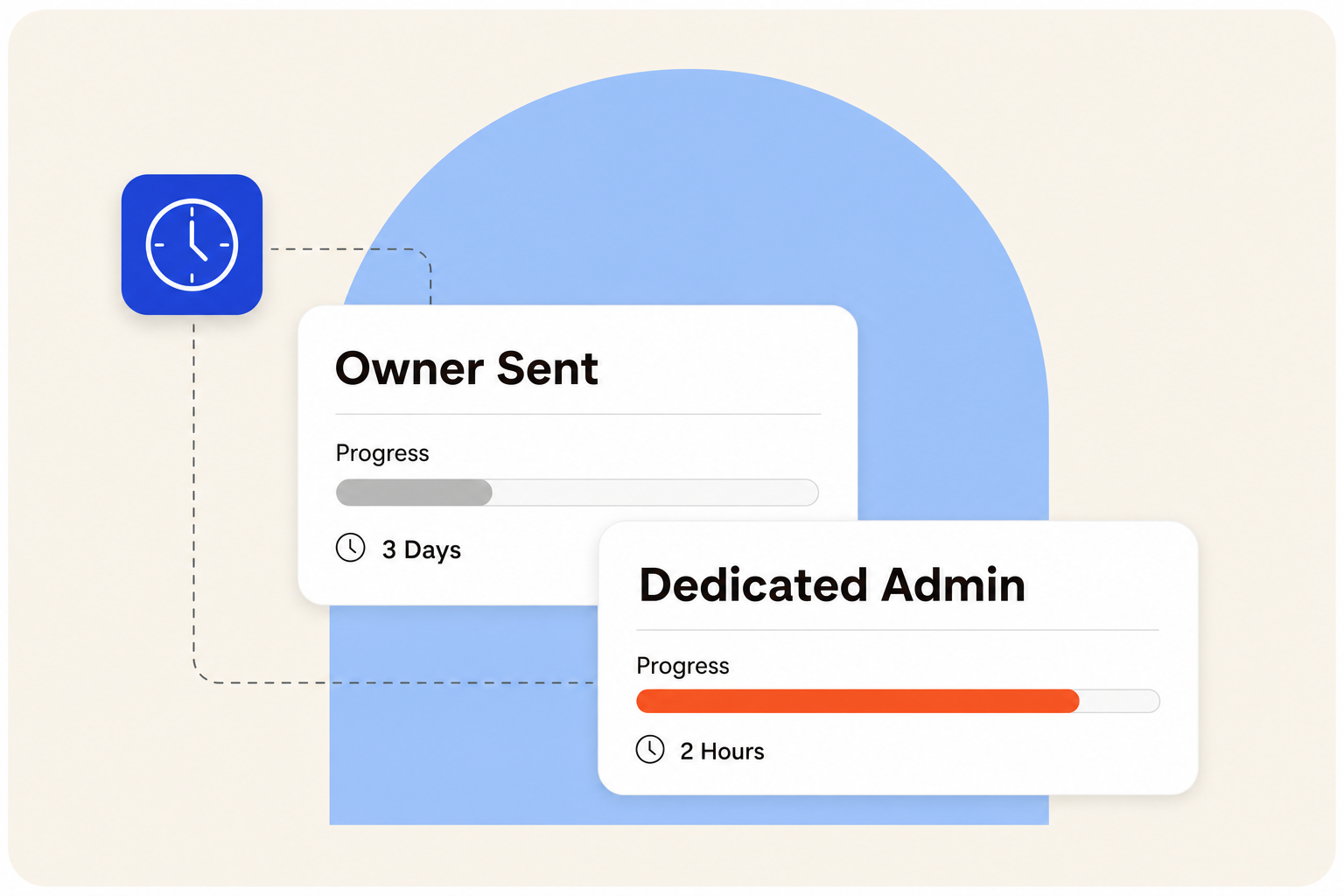
- Owner-sent quotes vs. a dedicated follow-up owner: When the owner is the only person sending quotes, the process is inconsistent by definition. Busy days push quotes back. A dedicated person handling follow-up, someone who already understands HVAC work and doesn't need the owner to explain what a SEER rating is or why a two-stage system costs more, changes the consistency entirely. Unlike a generic virtual assistant who needs instructions on every task, an HVAC-experienced admin can read the tech's notes, build the quote, and send it without a handholding session.
- Tracking open audit quotes inside your existing software: The data on which audit leads are still open already exists in your field service platform. Every quote that was sent but not accepted, every job that was flagged but not yet quoted, is sitting in your system right now. The task is not finding a new tool to track them. The task is having someone pull that report on a regular cadence, identify which leads need a follow-up call, and make the call. Targeted outreach to past customers works the same way: the customer list is already there, it just needs to be worked.
How Do Rebates and Utility Incentives Fit Into Audit-Driven Tickets?
Rebates make audit-driven upgrades easier to sell, but only if someone files the paperwork on time. Energy audits frequently surface equipment that qualifies for utility rebates or state efficiency programs, particularly heat pump replacements and insulation upgrades. The homeowner's decision to move forward often depends on knowing that rebate money is coming back. According to homeowner priorities around efficiency upgrades, 40.2% of homeowners say it is "very important" to prioritize an eco-friendly, high-efficiency solution even if it costs more. The audit plus HVAC replacement ROI data supports that instinct: a combined audit and HVAC replacement carries an estimated payback period of 4.0 years and a net value of $7,463 over the investment.
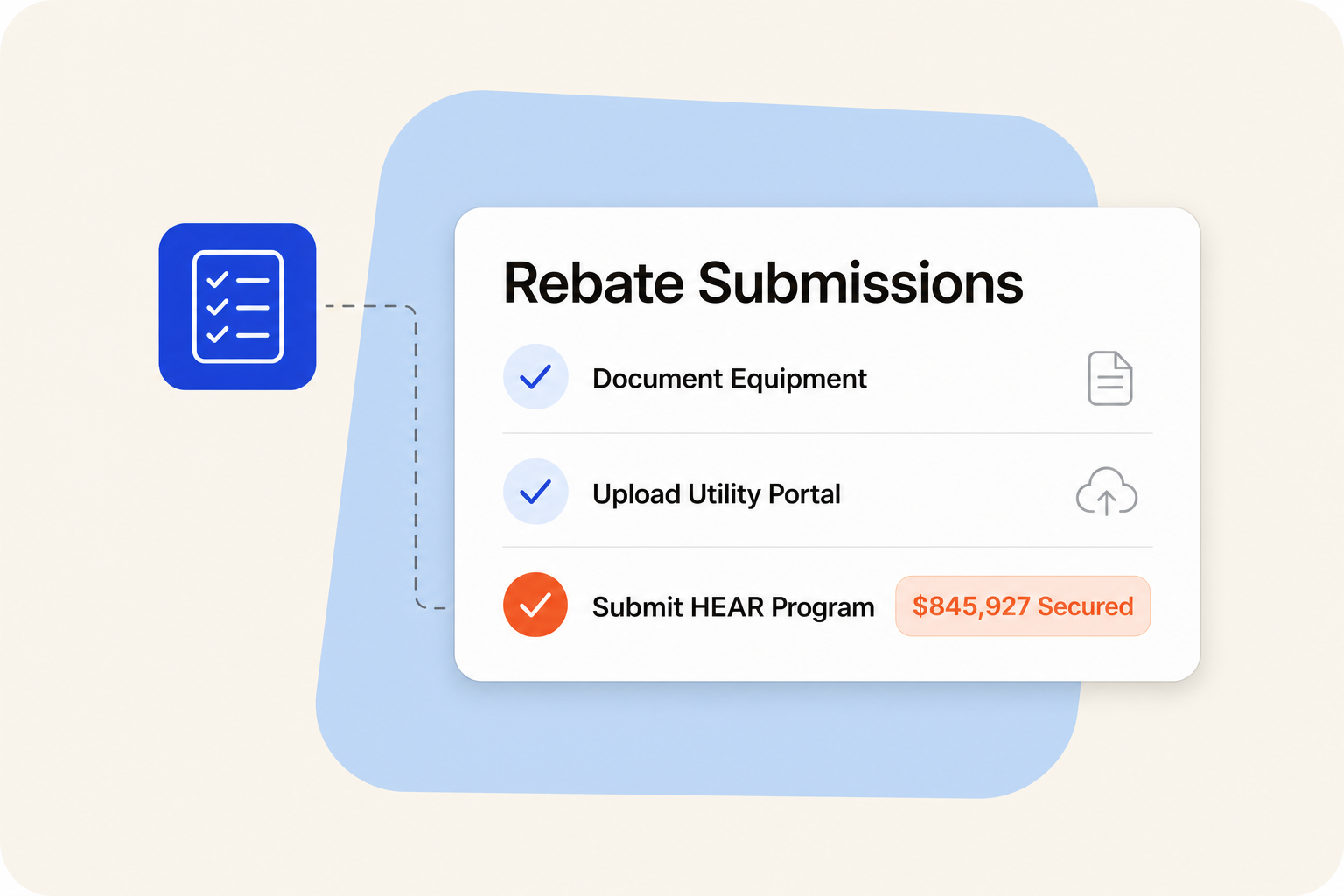
The problem is that rebate applications are deadline-driven, documentation-heavy, and spread across multiple utility portals and state programs. For a shop without dedicated admin support, they pile up until the deadline passes. Veteran Heating, Cooling, Plumbing and Electric had the installs but no system for capturing the rebate dollars attached to them. WorkHero submitted 157 rebate applications across Xcel Energy, the Eli portal, and the HEAR program, and secured $845,927 in total rebate value with an 85% permit approval rate across 20-plus jurisdictions. That money was already earned by the installs. It just needed someone to file for it. Having permits and rebate filings handled as a defined part of the job closeout process is what separates shops that capture that value from shops that don't.
How Does Energy-Audit Ticket Growth Vary by Shop Size and Season?
The admin gap looks different depending on how many trucks you're running and what time of year it is.
- Smaller shops (1 to 4 trucks) without an office manager: At this scale, the owner is typically the only person who could track open audit quotes or chase rebate deadlines, which means it happens inconsistently or not at all. This is where the gap between "audit completed" and "ticket closed" is widest. Audit-driven installs also create a natural entry point for enrolling customers in recurring revenue from maintenance plans, but capturing that enrollment requires a follow-up process the owner rarely has bandwidth to run consistently.
- Shoulder-season audit offerings: Brynn Cooksey Sr., whose business is in Southeast Michigan, described using energy audit training specifically to keep cash flow high during the fall and spring shoulder seasons, using skills and tools already in place rather than adding new services from scratch. The audit offering filled schedule gaps that would otherwise have been slow weeks. The same logic applies to the admin side: automating job closeout and rebates during slower periods means the paperwork from shoulder-season audit work doesn't pile up into peak season.
How Do You Track and Measure Audit-to-Ticket Conversion Over Time?
Tracking conversion requires a regular review cadence, not a one-time setup. Without someone checking on open quotes, pending rebate applications, and unscheduled follow-up calls on a weekly basis, audit leads go stale and the pattern repeats.
- Weekly open-quote review: Pull every quote that was sent from an audit finding and hasn't been accepted or declined. Any quote older than seven days without a response needs a follow-up call that day, not next week.
- Rebate deadline tracking: Each rebate application has a submission window tied to the install date. Someone needs to log the deadline when the job closes and check it weekly. Missing a deadline on a heat pump rebate can cost a customer $10,000 or more, as Veteran's owner Mike noted directly.
- Conversion rate by tech: Over time, tracking which techs produce audit findings that convert into quotes, and which quotes convert into jobs, tells you where the handoff is breaking down. If one tech's findings never make it into quotes, the documentation process needs attention. If quotes go out but don't close, the pricing or follow-up timing is the issue.
- Monthly invoice volume check: Just Right Mechanical saw a 700% increase in invoices issued once follow-ups became consistent and billing had a clear owner. That number reflects how much revenue was already being generated by completed work but not captured. Audit-driven jobs are no different: the work gets done, but the invoice and the rebate filing have to follow.
Listen to the Full Conversation
This article is based on Brynn Cooksey Sr.'s conversation with hosts Gary McCreadie and Furman Haynes on the HVAC Know It All Business Edition podcast (HVAC Contractors Losing Money by Skipping Energy Audits to Close Jobs and HVAC Business Owners Losing Profit by Guessing Systems Instead of Using Data). You can find these episodes, and every other episode of the show, on YouTube, Spotify, and Apple Podcasts, or browse them all on the WorkHero HVAC Business Podcast page.
